About Trine Engholm Michelsen
Dr. Trine Engholm Michelsen is a Danish author and researcher.
She was an analyst in the Danish Intelligence Services, DSIS and DDIS, for two decades.
She holds a PhD in international politics and a master’s in political philosophy.
Her publications include the following biographies:
Codename Grand Duchess, on the Danish SOE intelligence agent Jutta Graae (2026/2021).
Krigens mørkeste time (2025), on the Danish SOE agent and intelligence officer Svend Truelsen.
Politikkens væsen (2003), on the French philosopher Raymond Aron.
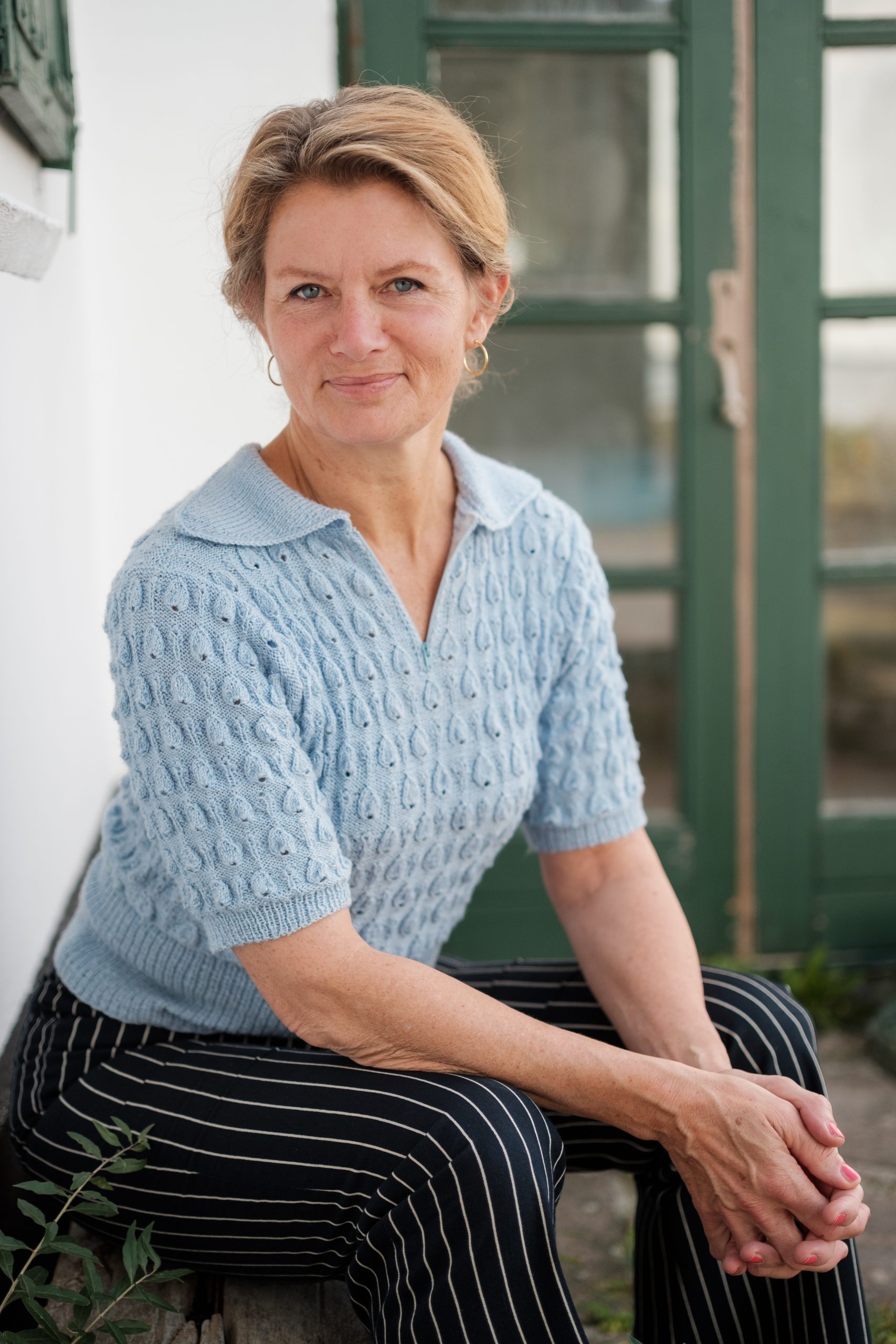
Photo: Thomas Jessen
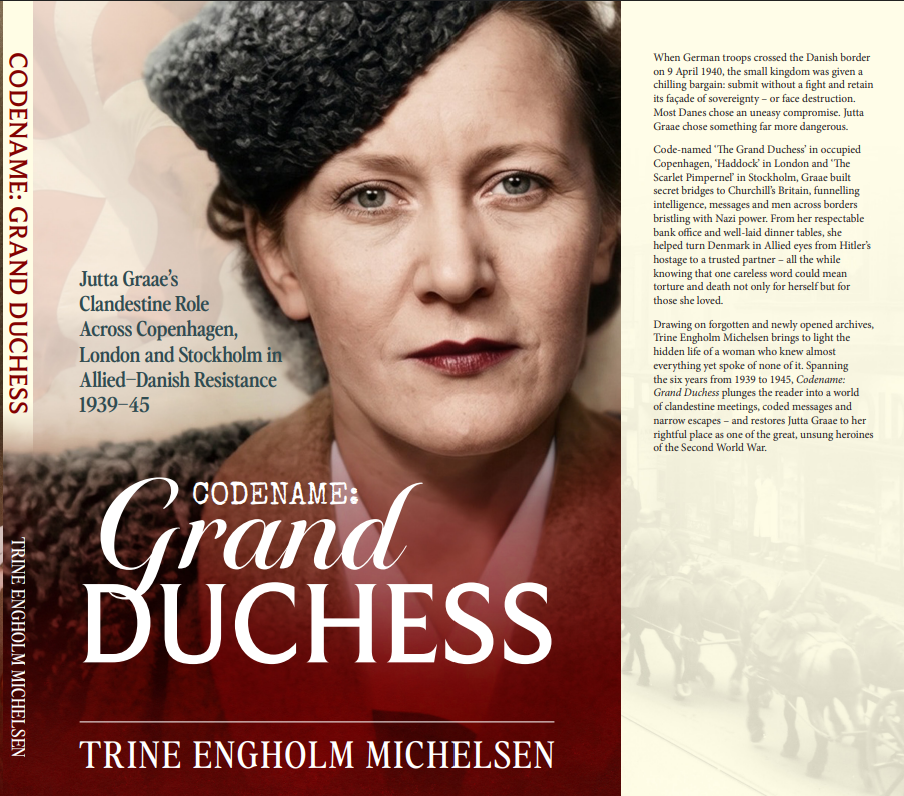
Codename Grand Duchess.
Jutta Graae’s Clandestine Role Across Copenhagen, London and Stockholm in Allied–Danish Resistance 1939–45
Translated by René Lauritsen/Helion & Company
RELEASE OF BOOK IN COPENHAGEN, 19th August at Books & Company, Sofievej 1, 2900 Hellerup.
*****
When German troops invaded Denmark on 9 April 1940, the small kingdom accepted a chilling bargain: submit without a fight and keep a façade of sovereignty. Most Danes chose uneasy compromise. Jutta Graae chose something far more dangerous.
Code-named ‘The Grand Duchess’ in occupied Copenhagen, ‘Haddock’ in London and ‘The Scarlet Pimpernel’ in Stockholm, Graae built secret bridges to Churchill’s Britain, funnelling intelligence, messages and men across Nazi-controlled borders. From her respectable bank office and well-laid dinner tables, she helped shift Denmark’s image from Nazi puppet to trusted ally – all the while knowing that one careless word could mean torture and death.
Drawing on Danish and British archives the book reveals the hidden life of a woman. Spanning the years 1939 to 1945, Code Name: Grand Duchess brings Jutta Graae out of the shadows as one of the great unsung heroines of the Second World War.
A biography on Major Svend Truelsen, Head of Danish Intelligence for the Special Operations Executives (SOE) 1943-45
In August 1943, Denmark’s collaboration with Nazi Germany broke down. The government and the military had to surrender or flee.
In this chaos, 28-year-old Lieutenant Svend Truelsen took action. On the surface, a civil servant, but undercover, a trained intelligence officer. He followed his secret orders. Left with only a spy camera, he quickly reorganized the compromised Danish Intelligence to serve the Allies underground.
The net was spread wider and even extended into Northern Germany.
Truelsen was alone in his mission. And not only was the Gestapo his enemy. Also, his military superiors tried to stop him and to undermine him. They never wanted the Danish Army to cooperate with the Allies.
From dangerous operations in Denmark to SOE’s headquarters in London, Truelsen followed his own conscience.
After the war, Truelsen was highly honoured by the Allies but ignored by the Danish Army. Krigens Mørkeste Time [The War’s Darkest Hour] is the story of a single human being who was active in bringing Denmark on the right side of History.
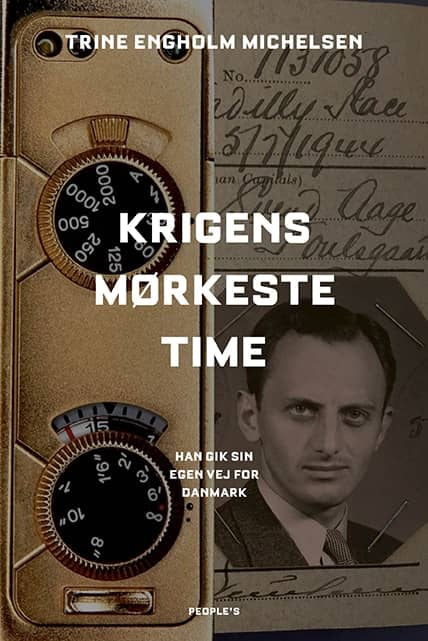
Foto: ????
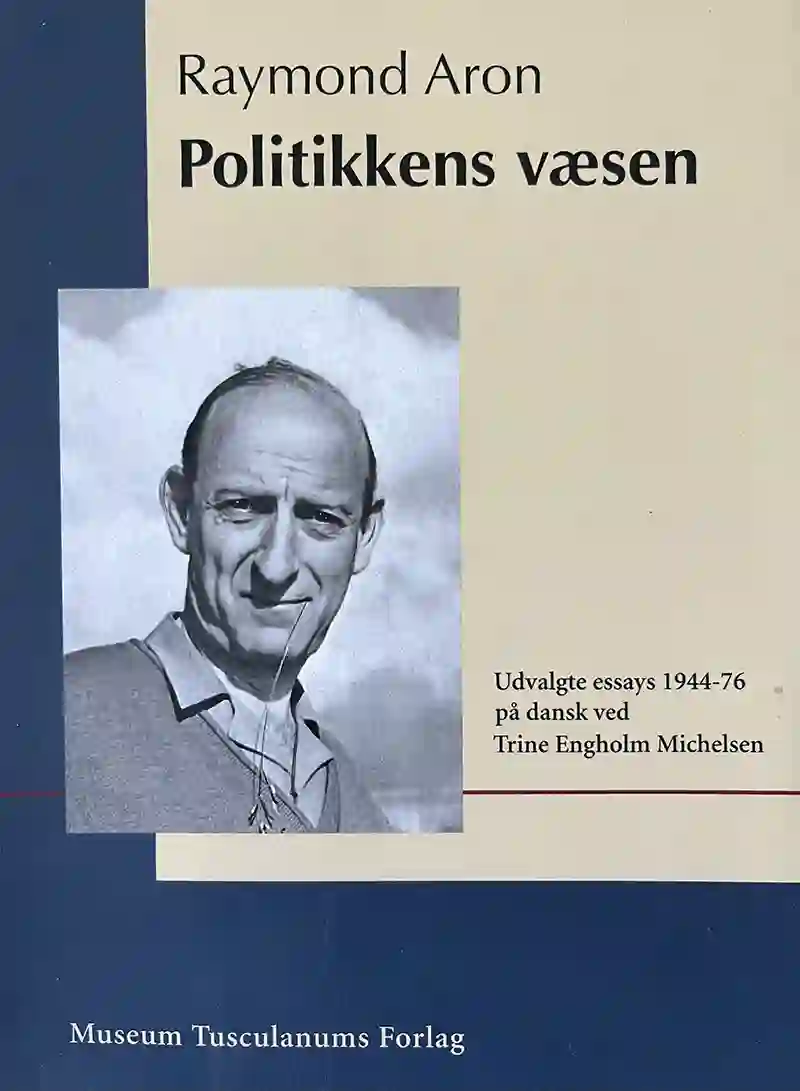
Raymond Aron’s Theory of War and Peace
An introduction of the French sociologist and journalist Raymond Aron (1905-1983) to Danish readers, focusing on his theory of war and peace.
Article on Horst von Pflugk-Harttung – spying for Hitler in Denmark
In 2022, I published an article on the German journalist and officer Horst von Pflugk-Harttung. He was Hitler’s military spy and a brilliant manipulator of psychological warfare in Denmark, 1933-1938.
The Danish government had naively invited him as an advisor on foreign policy.
It was therefore a shock for everybody when Danish police and intelligence officers in 1938 revealed Pflugk-Harttung’s wide net that covered Danish and Swedish coastlines
Too late, however. Pflugk-Harttung had already succeeded in delivering exactly the information that Berlin needed to prepare the whole-scale invasion that eventually took place on the 9th April 1940.
Abstract in English available here.


Photo: Trine Engholm
Research and upcoming books
In 2001, I was part of an independent group of researchers commissioned by the government to study the military and political threat to Denmark, 1945 to 1991. Denmark During the Cold War. National Security Policy and the International Environment, 1945-91 was published in 2005.
At present, I am studying the United Nations forerunner, the League of Nations, during the interwar period, preparing a biography on Gabrièle Rohde (1904-1946)
Another of my books will follow the small group of women who built up the “Lotte Korps” in Sweden, 1944-45, thereby paving the way for Danish women’s access into the armed forces two decades later.
Foto: Rune Hansen